Papaya: Genetics, compact growth, and tropical terpene profile

Papaya is a classic, fruit-forward hybrid strain that typically features a short stature and a dense flower structure. This article explains its origins, flowering characteristics, terpenes, effects, and practical growing tips.
# Papaya: Genetics, Compact Growth, and Tropical Terpene Profile
Papaya is one of those strain names that has been associated with a relatively distinct profile in grow reports, strain archives, and seed bank catalogs for many years: fruity, tropical-scented aromas, a relatively compact to medium-sized growth habit, dense buds, and often a stable, manageable plant structure. At the same time, “Papaya” is not a completely rigid term. Depending on conservation efforts, the breeder, and selection, phenotypes can vary noticeably in terms of vigor, flowering duration, and the intensity of the fruit profile.
For growers, the strain is particularly interesting because it is described in many sources as an indica-dominant hybrid line with good resin production and manageable stretch. This makes Papaya particularly attractive for setups where height, climate control, and uniform canopy development are more important than extreme plant mass. Historically, Papaya is most often associated with breeding work by Nirvana Seeds; with a lineage derived from Citral #13 and Ice #2 frequently cited. These origin details are consistently found in archives and breeder descriptions, even though individual modern Papaya versions may differ from them.
Where does papaya come from genetically?
The papaya line known today is generally described as an older, fruit-focused hybrid breed that traces back to a combination of Citral #13 and Ice #2. Both parents represent different characteristics in the strain’s history:
- Citral-derived lines are often associated with citrusy to fruity aromas.
- Ice-derived lines are described in many sources as resinous and structurally more compact.
How consistent is Papaya really?
Compared to some modern polyhybrid strains, Papaya is often considered relatively consistent, but not completely homogeneous. Recurring differences between phenotypes primarily concern:
- the intensity of the sweet, fruity aroma
- the degree of side shoot formation
- the density of the flowers
- the coloration toward the end of flowering
- the length of the ripening phase
How Does Papaya Grow Indoors, Outdoors, and in a Greenhouse?
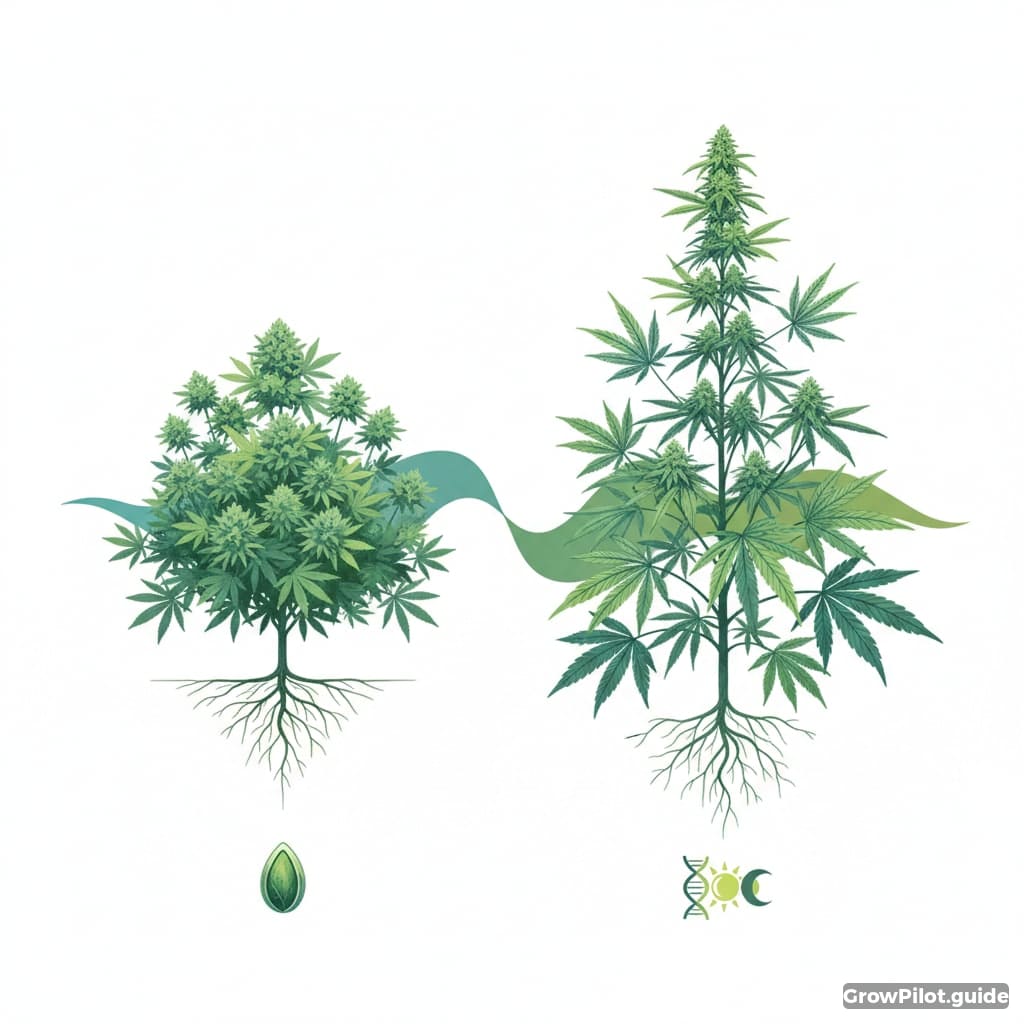
In terms of growth habit, Papaya is usually described as compact to medium-sized. The internodes often remain closer together than in Haze-dominant strains, and the stretch during early flowering is reported to be moderate in many accounts. This is precisely one of the reasons why the strain is often considered easy to control.
Typical Growth Characteristics
- Indoor height: often about 80 to 130 cm, depending on pot size, veg phase duration, and training
- Outdoor height: frequently about 140 to 220 cm under good conditions
- Structure: bushy, with a vigorous main stem and solid lateral branching
- Stretch: usually moderate, often about 1.5 to just under 2 times its original height after the transition to flowering
- Flower structure: fairly dense, roundish to club-shaped, with good resin coverage
What flowering time and yields are realistic?
Regarding flowering time, many breeders and archives cite a range of about 8 to 9 weeks for Papaya. In practice, depending on the phenotype and desired level of maturity, growers also report up to 10 weeks, especially when aiming for a more developed terpene profile or a more physically grounding effect.
Realistic Yields
Exaggerated manufacturer claims for cannabis strains should generally be taken with a grain of salt. For Papaya, the following ranges seem more plausible in practice:
- Indoor: often about 350 to 500 g/m² under stable conditions
- Outdoor: often about 400 to 700 g per plant, and even higher with a long growing season and sufficient root space
How does Papaya smell and taste?
The aroma profile is the variety’s true hallmark. Descriptions from growers, archives, and seed banks repeatedly mention notes reminiscent of ripe papaya, mango, melon, sweet herbs, musk, and, in some cases, earthy undertones. Some phenotypes also develop a slightly fermented, almost creamy-fermentative fruit note that clearly distinguishes this profile from purely citrus varieties.
Presumed Terpene Profile
Specific terpene values vary depending on the lab, phenotype, and growing conditions. However, the following are most frequently cited:
- Myrcene for fruity-earthy and, at times, musky notes
- Caryophyllene for spicy depth
- Limonene for bright, fresh fruity accents
- Humulene or Ocimene in smaller proportions
What effects do users describe with Papaya?
Regarding the effects, international user reports paint a fairly consistent picture, even though individual reactions naturally vary. Papaya is often described as:
- physically relaxing
- mentally calming to mildly euphoric
- less intense than many Haze strains
- sometimes perceived as appetite-stimulating
Who is Papaya suitable for when growing?
Papaya is classified in many practical sources as beginner-friendly to moderately challenging. The reason: The strain usually grows in a manageable way and often reacts more predictably than dessert hybrids that stretch excessively or are extremely sensitive. However, it isn’t entirely undemanding, as its dense flowering structure is less forgiving of climate and humidity errors.
Suitability by Experience Level
- Beginners: suitable if temperature and humidity can be kept reasonably stable
- Intermediate growers: interesting for precise canopy management and a focus on terpenes
- Experts: worthwhile for phenotype selection and fine-tuning aroma and ripeness
Which growing tips work particularly well for Papaya?
No exotic tricks are needed for Papaya to develop its profile properly, but a few points make a significant difference in practice.
Climate and Environment
- Temperature: During the vegetative phase, temperatures of about 24 to 28 °C during the day are usually ideal; keep it slightly cooler and more stable during flowering
- Humidity: Moderate in the early phase; reduce significantly during late flowering to minimize the risk of mold in dense buds
- Airflow: Important, as compact flowers and a bushy structure can create pockets of moisture
Training and Canopy Management
According to many reports, Papaya responds well to:
- Topping to encourage more main shoots
- LST to open up the canopy
- Light pruning inside the plant
- SCROG in space-efficient indoor setups
Common Mistakes
- Too high humidity during late flowering
- Over-fertilization with nitrogen, which can slow down aroma development and flower maturation
- Plants spaced too closely together without sufficient air circulation
- Harvesting too early, before the full flavor profile has developed
Conclusion: What Makes Papaya an Interesting Strain?
Papaya isn’t just a hype strain; it’s a fruit-forward, comparatively classic hybrid line with a distinct profile. Its appeal lies less in extreme record-breaking yields than in a combination of compact growth, manageable stretch, solid resin production, and an aroma that clearly sets it apart from citrusy, gassy, or purely sweet dessert strains. If you’re looking for tropical, creamy terpenes and prefer a plant that’s easy to manage, Papaya is often an interesting option.
This strain is best suited for growers who prioritize controllable plant structure and aroma quality over maximum height or spectacular stretch. As always, the specific strain is key: With Papaya, it’s especially important to look for documented genetics, consistent breeder specifications, and reliable grow reports.