Animal Cookies: Genetics, compact growth, and dense buds

Animal Cookies combines traits from Girl Scout Cookies and Fire OG with a dense bud structure, heavy resin production, and sensitive climate requirements. This article categorizes its genetics, growth habits, terpenes, and growing practices.
# Animal Cookies: Genetics, Compact Growth, and Dense Buds
Animal Cookies is one of the modern U.S. hybrid strains that has become known primarily for its dense buds, heavy resin production, and sweet, earthy aroma. For growers, the strain is appealing for one simple reason: it combines the compact, often broad-growing structure of many Cookies-related strains with the substance and Kush influence of Fire OG. It is precisely this combination that, according to many reports, results in attractive bud quality, though it does not automatically make the strain easy to grow.
As with several well-known US genetics, the same applies here: the name does not always represent a completely identical line on the market. However, international strain archives, seed bank listings, and grower reports describe a fairly stable set of core characteristics. Animal Cookies is usually listed as Girl Scout Cookies x Fire OG or as a closely related Cookies-OG cross. Differences between breeder versions primarily concern phenotypes, flowering time, and the balance between the sweet Cookies profile and the gassy, earthy OG notes.
In practice, this means that anyone growing Animal Cookies should focus less on marketing claims and more on three key factors—compact growth, high bud density, and paying close attention to climate and airflow.
What is known for certain about the genetics and origin of Animal Cookies?
The historical core of the strain is predominantly linked in archives and breeder descriptions to Cookies genetics and OG lineage. The most commonly cited cross is between Girl Scout Cookies and Fire OG. This classification also aligns with the characteristics that recur in many grow reports:
- stocky to medium-sized growth
- broad leaf placement
- dense, sometimes very compact buds
- intense resin production
- sweet, doughy, earthy, and gassy aroma profile
For growers, this heritage is particularly relevant because it explains the plant’s growth behavior: Cookies often contributes bud density and resin, while OG contributes structure, a strong aroma, and sometimes slightly higher demands on environmental control.
How Does Animal Cookies Grow?
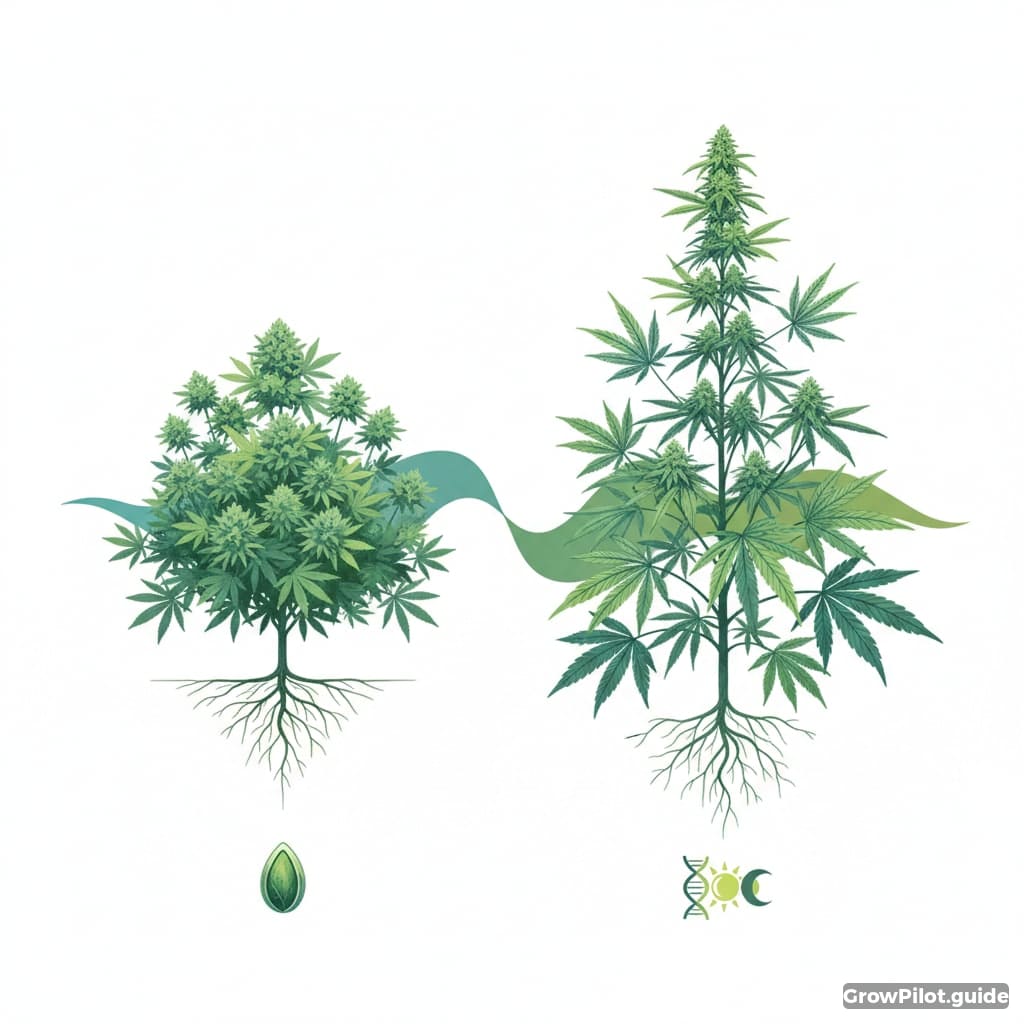
Animal Cookies is described in many reports as compact to medium-sized. Compared to heavily Hazel-influenced strains, it generally remains more manageable, though it may exhibit moderate stretching during early flowering, depending on the phenotype. Indoors, you can often expect plants that grow bushy and develop relatively short internodes. This makes space management easier but increases the risk of the canopy becoming too dense.
Typical Growth Profile
- Indoor height: often short to medium, easily controllable with early flowering
- Outdoor/greenhouse height: medium-sized, even more vigorous during long growing seasons
- Stretch: usually moderate, sometimes more pronounced in OG-dominant phenotypes
- Branching: bushy, with good lateral branch development
- Structure: compact canopy, dense bud clusters
What flowering time and yields are realistic?
Regarding flowering time, many sources cite approximately 8 to 10 weeks for photoperiodic Animal Cookies strains, with numerous plants falling within the 9-week range. Faster phenotypes are possible, but especially with a dense flower structure, it’s worth being patient until the flowers are fully matured.
When it comes to yield, it’s best to keep expectations realistic. Animal Cookies isn’t a strain that consistently stands out in reports as a high-yield producer. It is valued more for its quality, resin, and density than for maximum gram yields.
Realistic Yield Ranges
- Indoor: often around 350 to 500 g/m² with a well-optimized setup
- Outdoor: often 400 to 700 g per plant, highly dependent on the growing season, pot size, climate, and phenotype
Why is climate particularly important for Animal Cookies?
Perhaps the most important practical consideration for Animal Cookies is flower density. Dense flowers look attractive but increase the risk of moisture problems, especially during late flowering. This isn’t unique to this strain, but it’s a common issue with Cookies- and OG-derived hybrids.
Key Climate Considerations
- Vegetative phase: Moderate humidity and good air circulation
- Early flowering: Ensure airflow both below and above the canopy
- Late flowering: Keep humidity on the lower side to reduce the risk of mold
- Temperature: Stable conditions are usually better than large day-night temperature swings
What does Animal Cookies smell and taste like?
The aroma profile is described relatively consistently worldwide. It typically features a blend of:
- sweet dough or cookie notes
- earth and spice
- diesel, gas, or Kush undertones
- hints of vanilla, nuts, or a slight minty note
How are the effects described?
User reviews and strain archives generally classify Animal Cookies as deeply relaxing, physically grounding, and mentally calming. A mood-lifting or focused onset followed by a later, more physically pronounced effect is frequently mentioned. Such descriptions are subjective and should not be equated with clinical evidence of effects. However, they illustrate why the strain is often categorized as more suited for evening use rather than for highly stimulating daytime profiles.
Here, too, phenotype, individual sensitivity, dosage, and method of consumption significantly influence the experience.
Who is Animal Cookies suitable for as a grow?
Animal Cookies is generally better suited for beginners with good environmental control or for advanced growers than for absolute beginners without climate control. The strain isn’t notorious for complicated nutrient requirements, but rather for its combination of dense structure and high-quality yield.
Well-suited for
- Growers with a controllable indoor climate
- Fans of Cookies, Kush, and dessert-style profiles
- Setups involving training and active topping
- Grows focused on resin and flower quality
Less ideal for
- Very humid environments without strong air circulation
- Completely unattended, overcrowded indoor setups
- Growers primarily seeking maximum yields
Practical Growing Tips for Animal Cookies
1. Thin Early Rather Than Rescue Late
If the plant grows very bushy, early thinning is usually more effective than aggressive defoliation right before harvest. The goal is an airy, evenly lit canopy.2. Keep nutrient application on the conservative side
Hybrids closely related to Cookies often benefit from a clean, non-overloaded feeding regimen. Too much nitrogen can make the plant dark and dense without improving flower quality.3. Plan for support
The flowers can become surprisingly heavy and dense. Nets, stakes, or other supports prevent side branches from toppling over during late flowering.4. Don’t base your harvest window solely on the calendar
The 8- to 10-week timeframe is just a guideline. What matters most are maturity, resin development, and the overall condition of the buds—not just the breeder’s catalog.Conclusion: What makes Animal Cookies special?
Animal Cookies is neither a pure yield strain nor a straightforward, run-of-the-mill genetic. Its appeal lies in the combination of a compact structure, dense resin coating, and a distinctive flavor profile blending sweet baked goods, earth, and gas. That’s exactly what makes it attractive to many growers. At the same time, it requires a setup that keeps humidity, airflow, and canopy density under control.
If you pay attention to these points, Animal Cookies often delivers a strain that stands out less for its size and more for its flower quality, resin content, and distinctive aroma. For growers who not only want to consume but also want to cultivate Cookies and OG strains properly, it remains an interesting—and thoroughly serious—hybrid line.