Tangie: Genetics, Citrus Terpenes, and Its Vigorous Hybrid Growth

Tangie is known for its distinctive mandarin aroma, vigorous growth, and modern citrus genetics. This article explains its origins, flowering, yield, phenotypes, and practical growing tips.
# Tangie: Genetics, Citrus Terpenes, and Its Vigorous Hybrid Growth
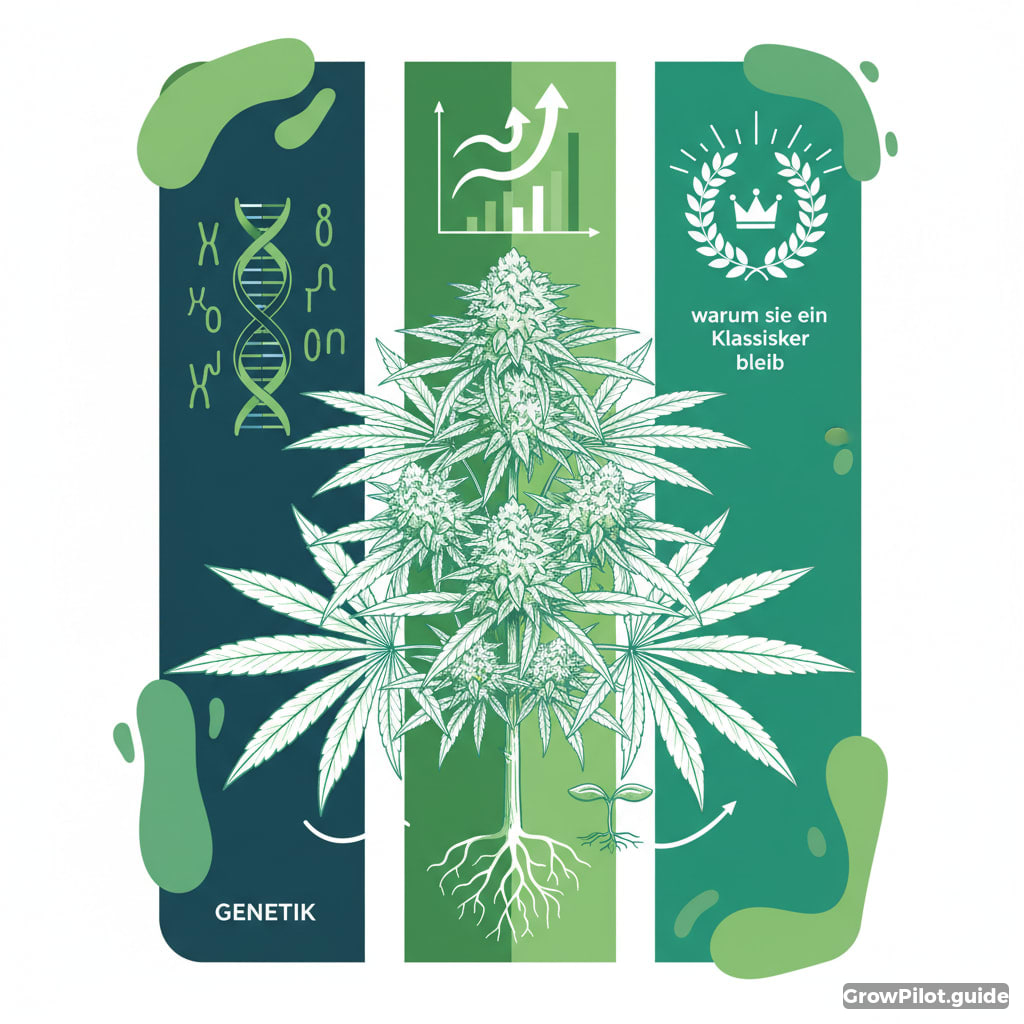
Tangie is one of those strain names that, in modern cannabis breeding, is almost automatically associated with fresh citrus aromas. In seed bank archives, strain databases, and many grow reports, it is usually described as a Sativa-dominant hybrid with a distinct mandarin-to-orange profile, vigorous upward growth, and good resin production. For growers, the strain is particularly interesting because it combines a relatively distinct aromatic profile with a structure that is often robust and seeks out light. At the same time, it’s important to note that not every line marketed as “Tangie” is genetically identical. Today, the name refers partly to a more stable breeding core, but also to descendants, backcrosses, or simply citrus-forward selections within the broader Tangie family.
At its core, Tangie is internationally described as a cross between California Orange and a Skunk line, often with reference to Skunk #1 or closely related Skunk selections. This information is found quite consistently in breeder descriptions, strain archives, and community reports. Historically, Tangie is often associated with modern U.S. breeding efforts of the 2010s. Its reputation is based less on extremely short flowering times or maximum compactness than on a very distinctive terpene profile and a growth habit that can produce high quality when properly managed.
Where does Tangie come from genetically?
The origins of Tangie are relatively well-defined compared to some older clone-only lines, even though details vary slightly depending on the breeder. Many sources cite California Orange and Skunk as its parents. This places Tangie in a lineage of strains where fruity orange notes have been specifically combined with the vigor, resin production, and hardiness of its classic Skunk lineage.
What is considered relatively certain about its origins
- Tangie is predominantly listed as California Orange x Skunk in international archives
- The strain became particularly well-known through U.S. breeders and its subsequent presence in cannabis competitions
- Many later Tangie hybrids were specifically bred for their dominant citrus profile
- Both seed lines and Tangie-related selections with slightly different phenotypes are in circulation
How does Tangie grow in practice?
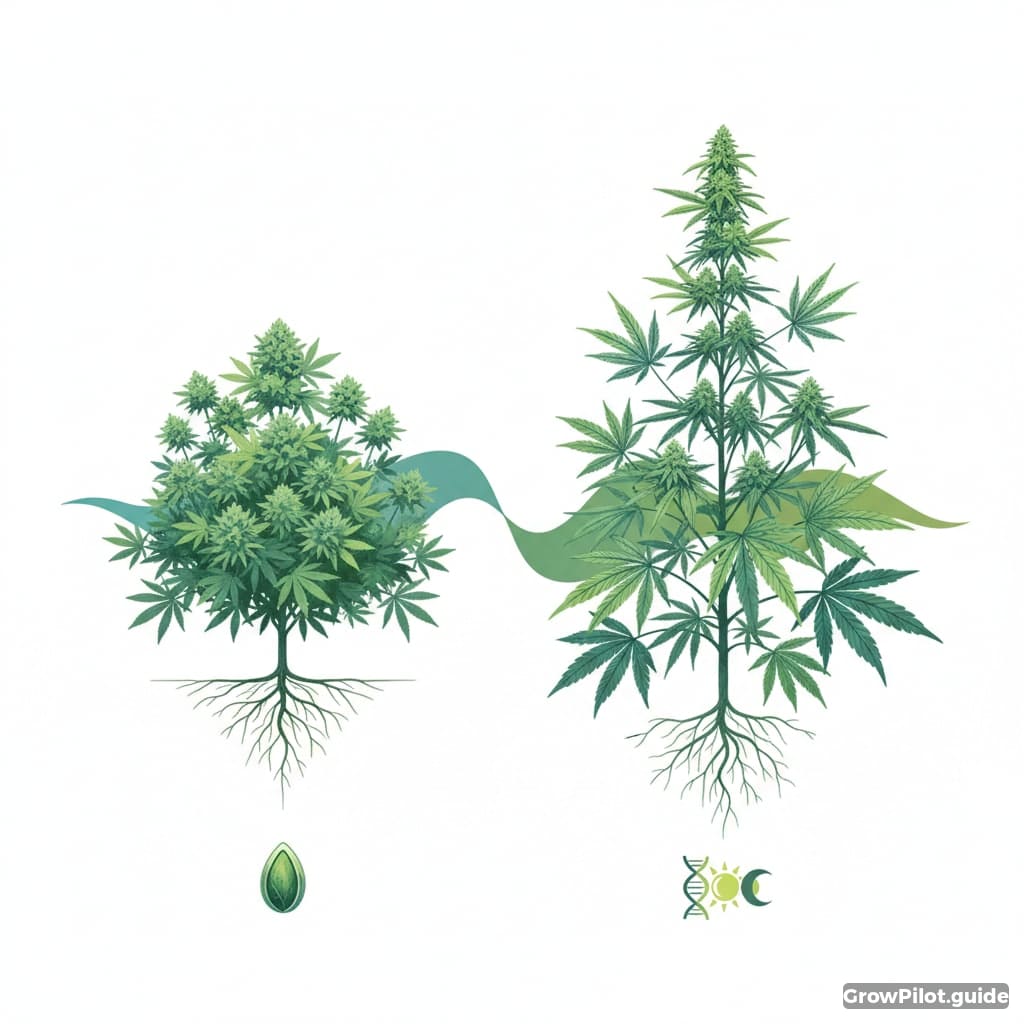
Tangie is described in many reports as a medium- to large-sized hybrid with significant stretching. Its growth often appears vigorous, with longer internodes than in compact Kush or Cookies strains. Typically, the plant grows rapidly during the vegetative phase and experiences a significant increase in height again during early flowering.
Typical Growth Characteristics
- Indoor height: often about 90 to 140 cm without extensive training
- Height outdoors/in a greenhouse: significantly taller depending on climate, pot size, and season, often 180 to over 250 cm
- Structure: rather open to moderately bushy, with good side shoot development
- Stretch: usually moderate to strong during the first 2 to 4 weeks of flowering
- Flower structure: somewhat elongated to compact, depending on the phenotype
What flowering time and yield can you realistically expect?
Tangie is rarely described as a particularly fast-growing strain. On average internationally, many photoperiod strains are reported to take 9 to 10 weeks to flower; some phenotypes may be ready slightly sooner, while others tend to take closer to 11 weeks. Plants with pronounced citrus notes and a stronger Sativa influence often benefit from not being harvested too early if the full flavor profile is to develop fully.
Realistic Guidelines
- Indoor flowering time: usually 9 to 10 weeks
- Outdoor harvest: generally mid- to late season in many climates
- Indoor yield: often around 350 to 500 g/m² under good conditions
- Outdoor yield: often medium to high yields per plant, heavily dependent on season length and training
Why does Tangie smell so distinctly of orange?
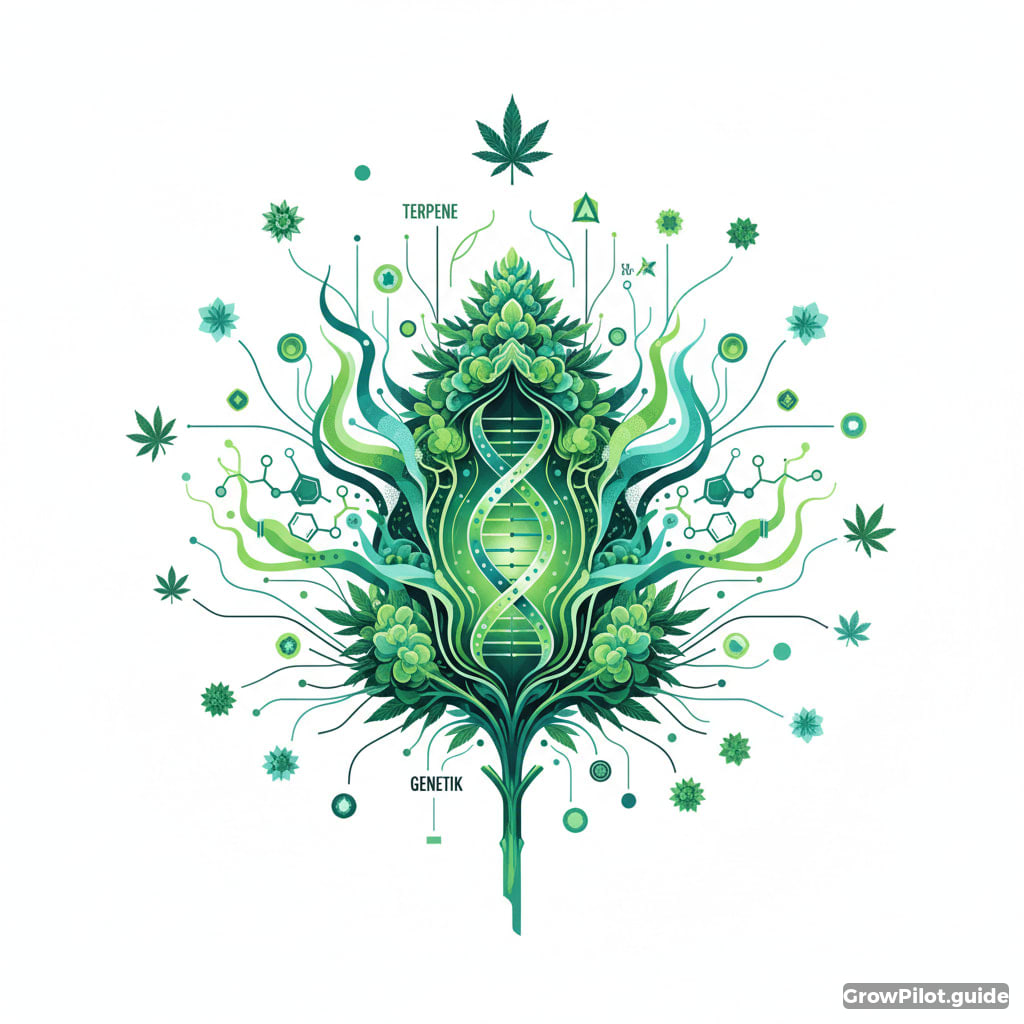
Tangie’s hallmark is its citrus profile, which in many descriptions is reminiscent of mandarin, orange peel, sweet zest, and fresh fruit. This aroma isn’t caused by a single compound, but rather by the interplay of several volatile compounds. In the terpene profiles of citrus-dominant strains, myrcene, limonene, beta-caryophyllene, and sometimes terpinolene or ocimene are frequently mentioned. Depending on the phenotype, the dominant notes can vary noticeably.
Typical Aromatic Components
- Limonene: often associated with fresh, citrusy notes
- Myrcene: can contribute fruity and herbaceous depth
- beta-caryophyllene: often introduces spicy, slightly peppery undertones
- Ocimene or terpinolene: can enhance bright, sweet-fresh notes
How Are the Effects Described?
Descriptions from strain archives and user reports often classify Tangie as clear-headed, lively, mood-lifting, and more suitable for daytime use. However, such descriptions should always be understood as subjective experiences, not as guaranteed effects. Individual perception depends, among other things, on chemotype, dose, method of consumption, tolerance, and situation.
What is relatively consistent is that Tangie is often not described as a heavily sedating evening strain, but rather as a hybrid with an active, fresh character. Individual phenotypes may still have a more physical effect due to a higher degree of maturity or a stronger Skunk influence.
Who is Tangie suitable for when growing?
Tangie is not the most difficult strain, but it’s also not the easiest choice for completely hands-off grows. Those who carefully manage plant stretch, climate, and canopy shape will generally have no trouble. Beginners can grow it if they’re willing to actively train the plants and not schedule the flowering period too tightly. For advanced growers, Tangie is often particularly interesting because it visibly responds to good management.
Difficulty Level
- Beginners: somewhat suitable, provided training and odor control are taken into account
- Advanced growers: well-suited
- Experts: interesting for phenotype selection and terpene focus
What growing tips are particularly important for Tangie?
1. Plan for early stretching
Tangie shouldn’t be allowed to grow vegetatively unchecked for too long if height is limited. Early topping and encouraging lateral growth help keep the canopy flat.2. Make good use of the airy structure
The more open branching often improves light distribution. At the same time, you should prune out weak, low-sitting shoots in a timely manner so that the plant directs its energy toward well-lit tops.3. Keep the climate stable during flowering
Denser Tangie phenotypes can be sensitive to high humidity. Good air circulation, moderate defoliation, and a controlled drop in humidity during late flowering are recommended.4. Don’t harvest too early
Many growers report that Tangie doesn’t fully develop its best aroma until toward the end of maturation. Harvesting significantly too early often results in a loss of intensity and complexity.5. Increase Nutrients Gradually and Carefully
Tangie isn’t consistently described as an extremely hungry strain. Excessive nitrogen during late vegetative growth or early flowering can make the plants unnecessarily dark and soft. A clean, moderate feeding regimen is preferable, with attention to leaf color, internode spacing, and flower development.Conclusion: What Makes Tangie Still Interesting Today?
Tangie has remained relevant primarily because it combines a distinctly recognizable citrus profile with productive, vigorous hybrid growth. Genetically, it is relatively consistently described in many sources as California Orange x Skunk, but in practice, it exhibits noticeable phenotypic differences depending on the line. Those looking for compact, ultra-fast-growing plants will often find what they’re looking for more easily in other genetics. On the other hand, those who appreciate mandarin aromas, good resin production, and an active, trainable growth habit will find Tangie to be a strain with its own distinct profile and clear breeding significance.