Super Skunk: Genetics, Yield, and Its Robust Hybrid Growth
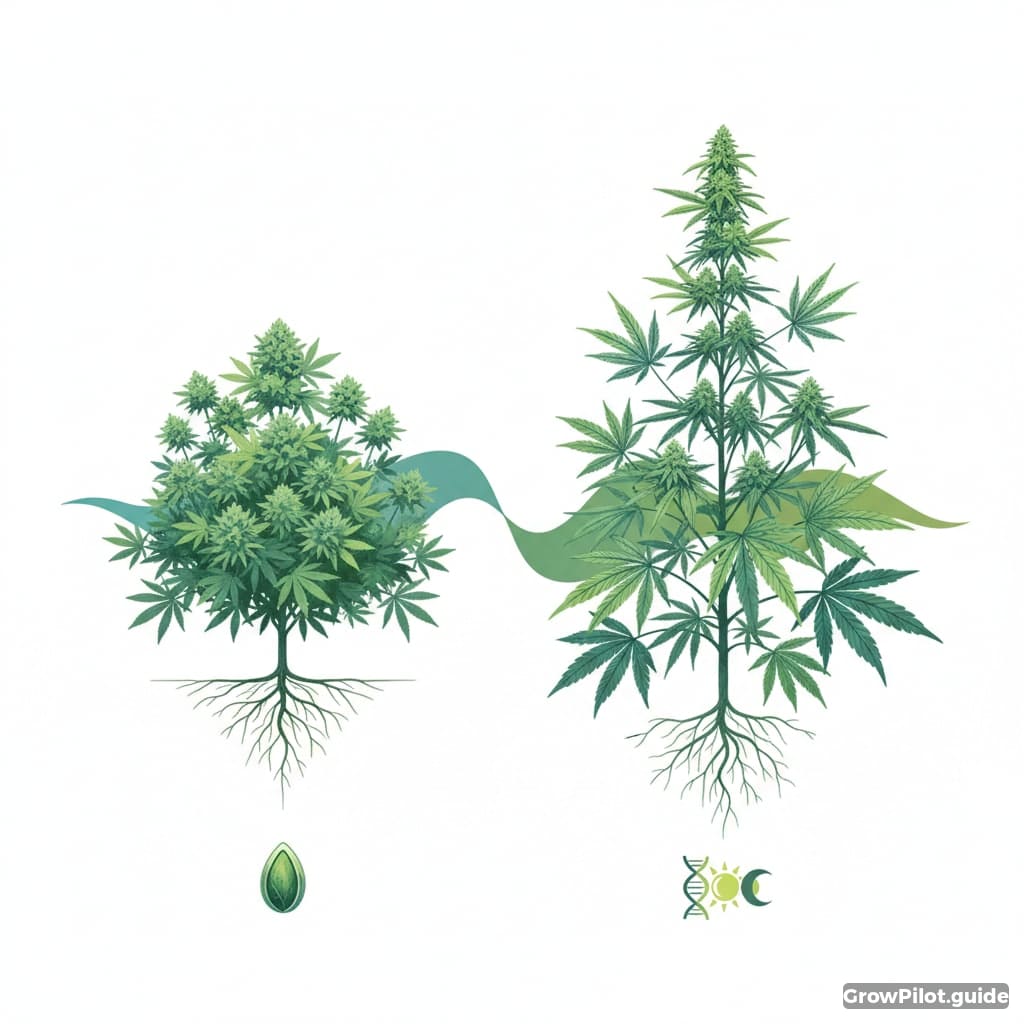
Super Skunk combines Skunk and Afghani influences to create a hybrid strain that is generally vigorous, high-yielding, and relatively hardy. This article covers its origins, growth, flowering, and cultivation practices.
# Super Skunk: Genetics, Yield, and Its Robust Hybrid Growth
Super Skunk is one of those strain names that has been appearing in seed bank catalogs, strain archives, and grow reports for decades. For many growers, it represents relatively easy access to classic Skunk genetics: vigorous growth, a distinct aroma, compact to semi-compact buds, and overall well-controllable cultivation characteristics. Precisely because the name is so well-established, it’s worth taking a closer look at what is historically well-documented, which traits recur across many reports, and where differences may arise depending on the breeder.
Essentially, Super Skunk is usually described in international archives and breeder descriptions as a cross between Skunk #1 and an Afghani line. The name is particularly closely associated with breeding work from the early 1990s. This also accounts for its typical growing profile: more body and density than many classic Skunk phenotypes, but generally less temperamental than more sensitive modern dessert hybrids. This is particularly appealing to growers looking for a strain that combines yield, hardiness, and a classically intense aroma.
What is Super Skunk genetically?
The basic genetic concept behind Super Skunk is relatively straightforward: Skunk #1 provides the well-known hybrid foundation, while Afghani genetics typically contribute a more compact flowering structure, more resin, and a stronger physical effect to the overall profile. According to historical breeder descriptions and later strain archives, the goal was not to create an exotic specialty line, but rather an improved, heavier, and high-yielding Skunk variant.
It’s important to note that, as with many older classics, the same strain name does not automatically mean that every line offered today is genetically identical. Differences can arise from:
- various conservation efforts over many years
- differing selections within the same line
- reinterpretations by different breeders
- phenotypic variation even within more stable seed lines
How does Super Skunk grow in a grow room or greenhouse?
In practical cultivation, Super Skunk is often described as medium-sized to vigorous. Compared to heavily sativa-dominant strains, its stretch is usually easier to control. A typical growth pattern features a solid main bud and productive side shoots, provided the plant receives sufficient light during the vegetative phase.
Typical Growth Behavior
Many grow reports describe the following characteristics as recurring:
- Indoor height: often about 80 to 140 cm, depending on pot size, veg time, and training
- Outdoor height: frequently 150 to 220 cm, sometimes more during long growing seasons
- Flowering stretch: usually moderate to medium, often about 1.5 to 2 times the original height
- Structure: bushier than Haze strains, but often more open than very compact pure Afghani types
- Side shoots: in many phenotypes, sufficiently vigorous to form an even canopy
- Indoor for growers seeking a predictable height profile
- Greenhouse for efficient use of light and air circulation
- Outdoor in temperate to warm climates, provided humidity remains controllable during late flowering
Why is Super Skunk considered relatively beginner-friendly?
In many user reviews, Super Skunk is described as easy not because it forgives mistakes without consequences, but because its behavior is often more predictable than that of more sensitive modern polyhybrids. That’s an important distinction. Even robust genetics react to overwatering, excessively high EC levels, heat, or poor airflow. However, they often do not exhibit the same erratic behavior as more unstable strains.
Factors That Can Reduce the Level of Difficulty
- Solid root development with proper watering
- Controllable stretch in early flowering
- Good response to training such as topping or LST
- Generally good bud formation even without very complex plant management
Common Mistakes with Super Skunk
Beginners, in particular, often underestimate three key aspects of this strain:
- Odor intensity: The Skunk component can become very pronounced in late flowering.
- Flower density: Denser phenotypes require good air circulation and appropriate humidity levels.
- Nutrient management: Afghani-dominant plants often appear hungry but do not respond well to chronic over-fertilization.
Flowering Time and Yield: What’s Realistic?
For photoperiod Super Skunk strains, the flowering time listed in many breeder specifications and grow reports is usually 7 to 9 weeks, often centered around about 8 weeks. Individual phenotypes may mature slightly faster, while heavier or more resinous plants may take a bit longer.
When it comes to yield, it’s best to keep expectations realistic. Marketing claims are often higher than actual results in everyday growing conditions. Based on various reports, the following ranges seem realistic:
- Indoor: often about 400 to 550 g/m² under good conditions
- Outdoor: frequently about 500 to 900 g per plant, heavily dependent on climate, growing season length, root space, and training
What does Super Skunk smell and taste like?
Its aroma profile explains part of its enduring success. Super Skunk is usually not described as a delicate dessert strain, but rather as classically bold, spicy, and heavy. Many growers report a mixture of:
- earthy notes
- skunky, musky tones
- spicy and sometimes peppery accents
- sweet, resinous undertones
- occasional citrusy or slightly cheesy nuances, depending on the phenotype
What effects do users and growers describe?
Reports in strain archives and community platforms often describe Super Skunk as physically present, relaxing, and yet not necessarily completely sedating. Many classify it as an evening-friendly hybrid, though the effect can vary noticeably depending on phenotype, maturity, and individual tolerance.
Frequently cited descriptions include:
- relaxing
- calm
- body-focused
- slightly euphoric
- sometimes heavier with later harvests
What growing tips are particularly important for Super Skunk?
Climate and Humidity
Super Skunk generally benefits from a stable climate. During the vegetative phase, temperatures around 22 to 28 °C are often well tolerated. During flowering, controlled humidity helps, especially as the buds become denser:
- early veg: about 60 to 70% RH
- late veg: about 55 to 65% RH
- early flowering: about 45 to 55% RH
- late flowering: closer to 40 to 50% RH
Training
The following methods are generally well-suited:
- Topping to encourage multiple main shoots
- LST for a low, flat canopy
- SCROG with a uniform indoor ceiling
- moderate defoliation management if the foliage becomes very dense
Nutrition and Growing Medium
According to many reports, Super Skunk responds well to consistent, moderate fertilization. Typical problems tend to arise from too much rather than too little. The following are recommended:
- good drainage
- no permanently wet root zones
- gradual increase in nutrient application
- attention to calcium and magnesium balance under intense lighting
Who is Super Skunk best suited for?
Super Skunk is particularly well-suited for growers seeking classic old-school genetics with a solid track record. It’s generally not a strain for the most exotic candy flavors or extreme purple displays, but rather for a robust, high-yielding, and aromatically distinctive hybrid grow.
It’s often particularly well-suited for:
- Beginners with a solid basic setup
- Growers who prefer Skunk aroma over dessert-like terpenes
- Indoor grows requiring controllable plant height
- Outdoor or greenhouse grows focused on a strong, resilient plant structure