PEP Z: Genetics, Structure, and the Sweet-Gassy Profile

PEP Z is a modern Zkittlez-derived hybrid strain with a sweet, fruity profile, dense resin production, and a somewhat delicate structure. This article categorizes its origin, growth habits, flowering, and cultivation practices.
# PEP Z: Genetics, Structure, and the Sweet, Gassy Profile
PEP Z is a modern cannabis strain derived from current hybrid lines closely related to Candy, Dessert, and Zkittlez. This is precisely what makes classifying it both interesting and challenging. Unlike historically well-documented classics, significantly less consolidated archival data is currently available on PEP Z. In breeder descriptions, strain databases, and grower reports, the strain does appear repeatedly with a relatively clear aromatic profile, but not always with completely identical information regarding lineage, growth habits, and flowering time. For growers, this is not a minor detail, but rather the starting point for any realistic expectations.
Nevertheless, its reliable core can be described: PEP Z is listed in several sources as a modern, fruit-forward hybrid strain with distinct sweetness, creamy undertones, and gassy to slightly chemical accents. Many reports classify it within the broader spectrum of today’s U.S.-influenced boutique genetics, where bag appeal, resin yield, and a distinct terpene profile often take precedence over maximum fault tolerance. Anyone growing PEP Z should therefore pay attention not only to the name but also to the specific characteristics of the respective line: breeder, parent strains, phenotypic variation, and structural behavior.
What is known about the genetics and origin of PEP Z?
First, the most important clarification: PEP Z is not yet a fully standardized strain internationally. Unlike established lines with decades of documented distribution, much depends on which specific breeding line is being referred to. In current strain archives and breeder descriptions, PEP Z usually appears in the context of Zkittlez-related or candy-focused hybrids. This explains why the descriptions of aroma and flower appearance align much more closely than the historical details of its origins.
What is particularly well-established is the genetic character, not every single pedigree detail:
- clear proximity to modern candy and fruit strains
- frequently described as resin-rich hybrid genetics
- a selection process focused more on boutique qualities such as aroma, appearance, and resin
- possible phenotypes ranging from compact and bushy to moderately vigorous and tall
How does PEP Z grow indoors, outdoors, and in a greenhouse?
According to consistent grower reports, PEP Z typically exhibits medium-sized to moderately vigorous hybrid growth. The plants rarely remain as extremely slender as classic Haze lines, but they also often don’t grow as stocky as heavy Kush or Afghani types. A typical structure features solid lateral branching, relatively short to medium internode length, and a tendency toward compact, resin-rich buds.
Indoor
Indoors, PEP Z is often described as easy to control, provided the stretch is managed early on. Many phenotypes grow visibly during the first weeks of flowering, but usually not to the extent seen in strongly Haze-influenced strains. Depending on the phenotype and pot size, a final height of 80 to 140 cm is often realistic, with no strict upper limit.
Outdoor
Outdoors, PEP Z can become significantly more voluminous if root space, light intensity, and growing season length are optimal. In favorable climates, 150 to 220 cm are possible, although dense flowering and heavy side shoots may require supports later on. During humid late-season phases, good air circulation around the canopy is particularly important.
Greenhouse
In the greenhouse, PEP Z often performs at its best: plenty of light, but more controlled humidity than outdoors. This is particularly advantageous for dessert- and candy-oriented hybrids, as the dense flower mass can be more susceptible to consistently high humidity.
What Flowering Times and Yields Are Realistic?
For photoperiodic PEP-Z strains, breeders and growers typically cite an average flowering time of about 8 to 10 weeks. Some phenotypes may mature slightly earlier, while others take a bit longer to fully develop their resin, density, and aroma. It’s wise to be cautious with harvest windows: Harvesting too early often results in a loss of terpene complexity and bud weight.
As always, when it comes to yield, marketing figures are less meaningful than consistent real-world results. Under good indoor conditions, 400 to 500 g/m² appears to be a realistic range for well-managed plants. Very high-performance setups may exceed this, but PEP Z is grown more for quality and profile than for maximum yield per unit area. Outdoors, reports often range from 450 to 700 g per plant, depending heavily on climate, growing season length, and phenotype.
How does PEP Z smell and taste?
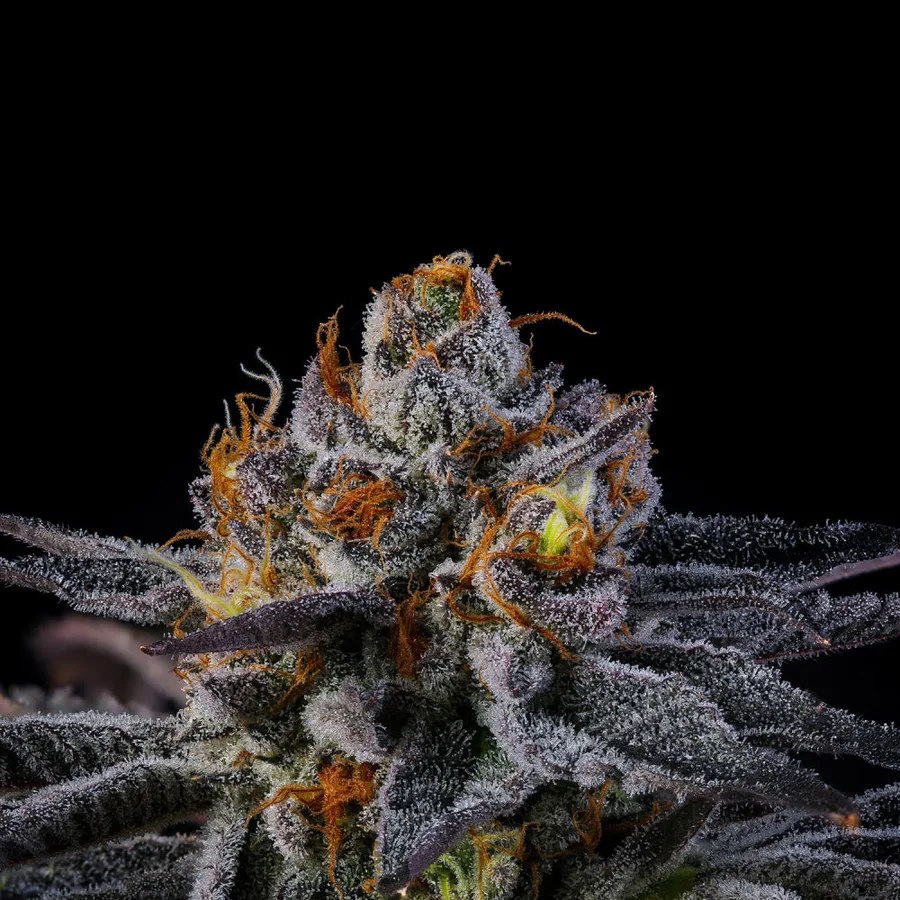
The aroma profile is where descriptions converge most strongly. PEP Z is described in multiple sources as a strain with a sweet, fruity core profile, complemented by gassy, creamy, and sometimes candy-like notes. Depending on the line, the impressions range from tropical sweetness to ripe berries to light candy notes with a slightly sharp, solvent-like edge.
Probable Terpene Profile
Without batch-specific laboratory analysis, terpenes cannot be guaranteed with certainty. However, existing descriptions often point to the following key characteristics:
- Limonene for bright citrus and sweet notes
- Caryophyllene for a spicy, slightly peppery depth
- Myrcene for a fruity, earthy richness
- sometimes linalool or humulene as secondary notes
How do growers and users describe the effects?
Descriptions of effects are always subjective and depend on chemotype, dosage, individual tolerance, and method of consumption. PEP Z is consistently described as typically hybrid—balanced to distinctly relaxing—but not necessarily heavy or dull. Many user reports mention an initially elevated, mood-enhancing, or slightly creative phase, followed by physical calm.
Frequently recurring descriptions include:
- euphoric or mood-enhancing at the onset
- mentally gentle and not overly hectic
- physically relaxing as the experience progresses
- at higher intensities, sometimes significantly sedating
Why isn’t PEP Z considered completely low-maintenance?
At first glance, PEP Z often seems easier to care for than its dense flower structure would actually suggest. This is precisely where the typical challenges lie.
1. Dense flowers require a clean growing environment
Many modern candy-focused hybrids produce compact, tightly packed buds. This increases the demands on airflow, moderate defoliation, and humidity control. Excessive humidity during late flowering can lead to a loss of quality.
2. Over-fertilization harms the aroma
Growers consistently report with these strains that over-fertilization can degrade leaf structure and reduce final quality. A moderate, carefully controlled nutrient plan is usually more effective than aggressive pushing.
3. Control Stretching Early
Even though PEP Z rarely experiences extreme growth spurts, an uncontrolled start to flowering can worsen light distribution. LST, early topping, or consistent canopy management often work well with this strain.
What growing tips are particularly useful for PEP Z?
For a stable grow cycle, a few basic rules have proven effective for similar hybrid profiles:
- Temperature: Keep it moderate during the light phase; excessive heat can compromise terpene quality and bud structure
- Humidity: Reduce it significantly during late flowering, especially with a dense bud structure
- Training: Start early to achieve a level canopy and better light distribution
- Defoliation: Use only selectively; too harsh interventions can stress sensitive phenotypes
- Prepare supports or nets in a timely manner if the side shoots begin to sag under the weight of the flowers
- Do not rush the harvest window; many dessert-type hybrids continue to visibly improve in flavor during the final days
Who is PEP Z particularly suited for?
PEP Z is especially well-suited for growers seeking modern fruit-candy profiles, good resin production, and an attractive bud structure, without necessarily aiming for record yields. Those who have already learned to precisely control humidity, airflow, and canopy structure can usually get more out of this strain than someone who relies solely on vigorous growth.
The bottom line is that PEP Z isn’t a classic, traditional strain, but rather a modern specialty strain: interesting for its aroma, appearance, and boutique character, but only truly impressive when the strain, phenotype, and cultivation techniques align.
Frequently asked questions about PEP Z
What is known about PEP Z's genetics and origins?
According to the article, PEP Z is not a fully standardized strain, and its exact classification depends heavily on the specific breeding line. What is certain is its close relationship to modern Candy-, fruit-, and Zkittlez-like hybrid lines, while individual pedigree details are not always consistent.
How does PEP Z grow indoors and outdoors?
PEP Z typically exhibits medium-sized to medium-vigorous hybrid growth with solid lateral branching and fairly compact, resin-rich flower clusters. Indoors, the final height is often reported to be around 80 to 140 cm; outdoors, under good conditions, plants can reach about 150 to 220 cm.
How long does PEP Z bloom, and what yields are realistic?
For photoperiodic PEP-Z strains, breeders and growers typically report a flowering time of about 8 to 10 weeks, although individual phenotypes may mature slightly earlier or later. Under good indoor conditions, 400 to 500 g/m² seems to be a realistic range; outdoors, yields of 450 to 700 g per plant are frequently reported.
What does PEP Z smell and taste like?
The profile is described in the article as sweet and fruity, complemented by gassy, creamy, and, at times, candy-like notes. Depending on the line, the impressions range from tropical sweetness and ripe berries to light candy notes with a slightly sharp, solvent-like edge.
Why isn't PEP Z considered completely straightforward during the growing phase?
The dense flower structure places greater demands on air circulation, humidity control, and moderate defoliation, especially during late flowering. In addition, the stretch should be guided early on, and a moderate nutrient regimen is generally considered more effective than aggressive pushing.
Matching seeds from our partner
PARTNER OFFER
PEP Z - Feminisierte Cannabis-Samen
Available from 10 % Vorteil bei CANA TRAVA – exklusiv für GrowPilot.guide Nutzer
Candy, fruity. Feminized; 40/60. 9 weeks flowering. Indoor: 700 g/m²; outdoor: 1,250 g/plant. Breeding goal (according to the breeder): 25% THC.
Product details and prices supplied by the partner.