Wedding Cake: Genetics, Structure, and Dense Dessert-Like Buds

Wedding Cake is one of the most iconic dessert hybrids. This article explains its origin, growth, flowering, terpenes, typical phenotypes, and what growers should consider in terms of climate and setup.
# Wedding Cake: Genetics, Structure, and Dense, Dessert-Like Buds
Wedding Cake is one of the strain names that comes up particularly often in modern cannabis breeding, even though the lines actually in circulation aren’t always completely identical. For growers, this is precisely the most important starting point: The name usually stands for a relatively clear genetic core, but not necessarily for a fully standardized strain. In strain archives, breeder descriptions, and grow reports, Wedding Cake is usually described as a dessert-oriented, resin-rich hybrid with a dense bud structure, moderate stretch, and vigorous lateral branching.
Historically, many sources classify Wedding Cake as a strain related to Triangle Kush and Animal Mints. The name Pink Cookies also frequently appears, sometimes as a synonym and sometimes as a closely related selection. This lack of conceptual clarity is not unusual: particularly with popular U.S. hybrids, clone-only lineages, seed releases, and later reconstructions often differ slightly from one another. Nevertheless, a consistent practical profile emerges across many sources. Wedding Cake is particularly appealing to growers looking for a strain with a compact to medium-sized structure, high resin yield, and a sweet, creamy aroma profile.
What is Wedding Cake’s genetic background?
The most commonly cited core lineage is Triangle Kush x Animal Mints. Several international strain databases, seed bank descriptions, and community archives list this lineage or very close variants of it. At the same time, it’s important to clearly distinguish between:
- the strain’s historical lineage
- later seed versions from various breeders
- closely related lines with similar names
In the broader breeding context, Wedding Cake sits at the intersection of older Kush lines and the modern dessert wave. This is precisely why it reappears in the pedigrees of many newer hybrids. The name is therefore not only popular but also genetically influential.
How does Wedding Cake grow in a grow room or greenhouse?
Wedding Cake is described in many reports as a medium-sized, robust hybrid. The plants usually remain more compact than pronounced Haze lines, but rarely grow as extremely short as pure Afghani strains. It often exhibits a bushy structure with solid lateral branching and a tendency toward a relatively dense internode structure, provided the light intensity and climate are right.
Typical growth characteristics:
- Indoor height: often about 80 to 140 cm, depending on pot size, veg period, and phenotype
- Outdoor height: frequently 150 to 220 cm, and even higher during a long growing season
- Flowering stretch: usually moderate to medium, often a factor of about 1.5 to 2
- Structure: more broad than extremely lanky, with sturdy side shoots
What Flowering Time and Yields Are Realistic?
For photoperiodic Wedding Cake strains, breeders and grow reports typically cite a flowering time of 8 to 10 weeks. In practice, many plants fall within a range of approximately 56 to 67 days, though some heavier Kush phenotypes may appear ready slightly earlier, while others—such as those closer to the “Dessert” or “Cookies” lines—may take a bit longer.
When it comes to yield, it’s best to be realistic. Marketing claims can be very high, but realistic yields tend to fall in the moderate to good range:
- indoor: often about 400 to 550 g/m² under good conditions
- outdoors: often about 500 to 800 g per plant, highly dependent on climate, pot size, growing season length, and training
Why is Wedding Cake considered so distinctive in terms of aroma?
The aroma profile of Wedding Cake is described with remarkable consistency internationally. Many growers and users report a blend of:
- sweet dough or vanilla frosting
- earthy Kush undertones
- peppery or spicy accents
- slightly creamy, sometimes gassy nuances
Especially after drying and during curing, many phenotypes develop more depth. Fresh flowers may initially seem sweeter, while the spicy, earthy, and slightly gassy components often become more pronounced later on.
How are the effects typically described?
Descriptions of effects aren’t lab facts, but there’s a recurring consensus in user reports. Wedding Cake is often described as physically relaxing, mentally alert, and sometimes also as euphoric or mood-lifting. Many classify the strain as rather powerful and substantial, not as an ultra-light daytime companion.
It’s important to note that such impressions depend on dosage, individual tolerance, method of consumption, terpene profile, and actual cannabinoid composition. Therefore, the only reliable thing to say is that reports often describe a balanced overall impression typical of a hybrid, but one that tends to be on the heavier side.
Who is Wedding Cake suitable for when growing?
Wedding Cake is not the most difficult, but it’s also rarely a completely foolproof strain. The most common stumbling block isn’t germination or early growth, but rather the combination of dense bud structure, heavy resin production, and, in some cases, sensitivity to climate or feeding errors.
The level of difficulty is therefore generally as follows:
- Beginners with good climate control: doable
- Advanced growers: very well suited
- Experts: interesting for phenotype selection and a focus on quality
What growing tips are particularly important for Wedding Cake?
Climate and Humidity
Dense buds require clean conditions. Many experienced growers cultivate Wedding Cake during late flowering with controlled, lower relative humidity and strong airflow. This reduces the risk of damp spots forming inside compact colas.Temperature
This strain generally responds well to stable temperatures without drastic day-to-night fluctuations. Too much heat can flatten the terpene profile and make the bud structure looser. While cold nights can enhance color, they are no substitute for quality and should not be forced at the expense of plant health.Training
Wedding Cake is often well-suited for:- Topping
- LST
- SCROG
- targeted pruning in moderation
Nutrient Management
Many reports describe Wedding Cake as moderately to slightly sensitive to over-fertilization, especially when striving for maximum flower density. A controlled approach with careful EC management is advisable rather than applying high doses of fertilizer across the board.Common Mistakes
Frequent problems include:- overly dense plant structure without proper airflow
- excessively high humidity during late flowering
- excessive nitrogen application during flowering
- delaying height management until too late before the end of the stretch phase
Conclusion: Why Does Wedding Cake Remain Relevant?
Wedding Cake is not merely a trendy name, but a distinctive dessert hybrid line with a clearly recognizable profile. Its resilient core—comprising Kush genetics, creamy-sweet aromas, dense bud structure, and heavy resin production—makes the strain attractive to many growers. At the same time, it requires more care than its gentle name might suggest. Those who carefully manage climate, canopy, and feeding often end up with a strain featuring high visual quality, a distinctive terpene profile, and solid yield per unit area.
This is precisely why Wedding Cake remains relevant in breeding, selection, and cultivation practices: not as a myth, but as a readily recognizable building block of modern cannabis genetics.
Frequently asked questions about Wedding Cake
What is the genetic origin of Wedding Cake?
The most commonly cited genetic lineage of Wedding Cake is Triangle Kush x Animal Mints. However, the article emphasizes that there may be differences between the historical lineage, later seed versions from various breeders, and closely related strains with similar names.
How does Wedding Cake grow indoors and outdoors?
Wedding Cake is usually described as a medium-sized, robust hybrid with a bushy structure and solid lateral branching. Indoors, it often reaches about 80 to 140 cm, and outdoors, it frequently reaches 150 to 220 cm, with mostly moderate to medium stretching during flowering.
How long does Wedding Cake usually bloom?
For photoperiodic Wedding Cake strains, a flowering time of 8 to 10 weeks is typically cited. In practice, according to the article, many plants end up taking roughly 56 to 67 days, although individual phenotypes may be ready slightly earlier or later.
Matching seeds from our partner
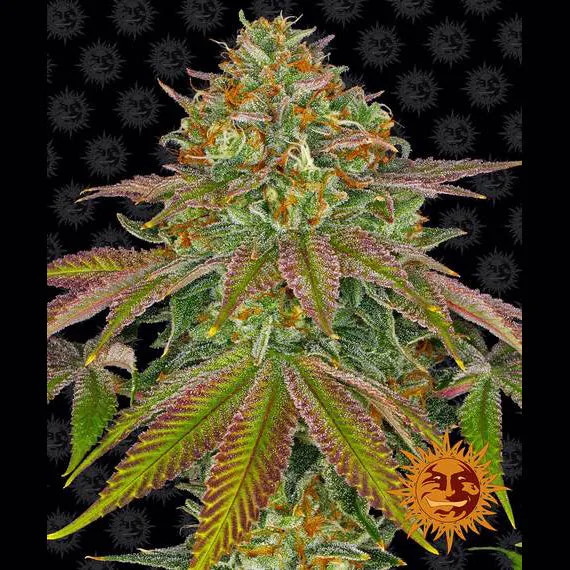
PARTNER OFFER
WEDDING CAKE - Feminisierte Cannabis-Samen
Available from 10 % Vorteil bei CANA TRAVA – exklusiv für GrowPilot.guide Nutzer
Vanilla, sweet, earthy. Feminized; 80/20 Indica/Sativa. 8–9 weeks flowering. Indoor: 600–700 g/m²; outdoor: 1,500–2,000 g/plant; THC approx. 27%.
Product details and prices supplied by the partner.


