Critical: Genetics, Yield, and Why It's Chosen So Often

Critical is one of the most popular high-yield hybrid strains. This article explains its origins, growth, flowering, terpenes, effects, and key growing tips—without the myths.
# Critical: Genetics, Yield, and Why It’s So Popular
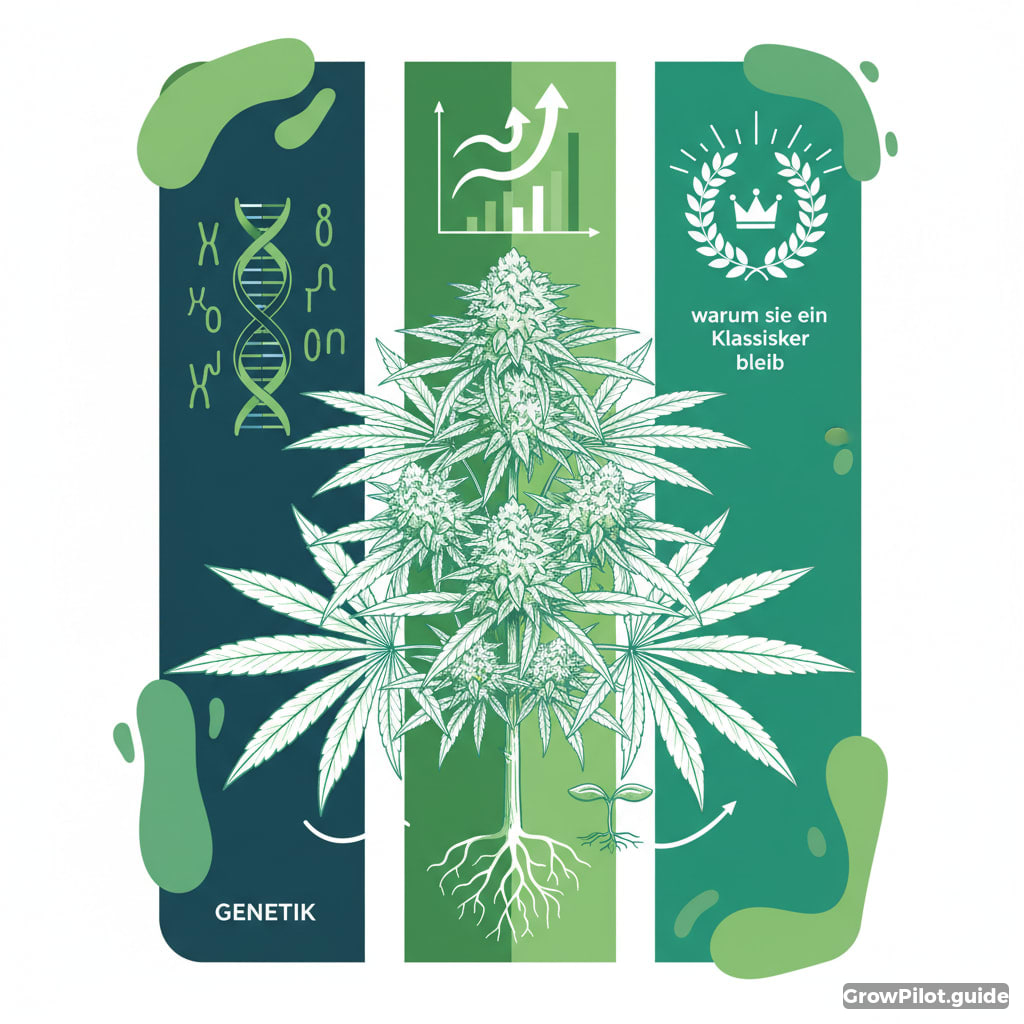
Critical is one of those strain names that appears particularly frequently on the international cannabis market, though it doesn’t always refer to exactly the same line. For growers, that’s precisely the most important starting point. Unlike clearly documented, clone-only classics, “Critical” today often refers to a family of closely related, high-yielding hybrids that, depending on the breeder, are marketed as Critical, Critical Mass, Critical+, or with similar suffixes. Nevertheless, a reliable core can be described: In strain archives, seed bank listings, and many grow reports, Critical is usually classified as a fast-flowering, vigorous-growing, and high-yielding hybrid with a distinct Skunk-Afghani character.
Its reputation is based less on exoticism than on practical value. Critical has become popular over the years primarily because many lines combine a short- to medium-length flowering period, dense buds, and relatively uncomplicated growth. At the same time, the strain is not a surefire success. In particular, high bud density, vigorous nutrient uptake, and sometimes heavy colas increase the risk of mold, over-fertilization, and staking issues if the climate and cultivation methods aren’t right.
What is certain about Critical’s genetics?
Many sources trace the historical core of Critical back to Skunk #1 x Afghani or very closely related combinations. The line Critical Mass is mentioned particularly often and is considered a defining reference in modern cannabis history. From there, numerous later variants, selections, and offspring emerged, which were continued under the shortened name “Critical” or under brand-specific names.
It’s important to note: Not every Critical strain is genetically identical. Depending on the breeder, stability, growth habit, flowering time, and aroma profile can differ noticeably. However, the common denominator usually remains:
- Skunk influence for vigor, yield, and a distinctive odor
- Afghani influence for a more compact flower structure, resin, and faster maturation
- an overall hybrid profile that rarely leans heavily toward Sativa or Indica
How does Critical typically grow?
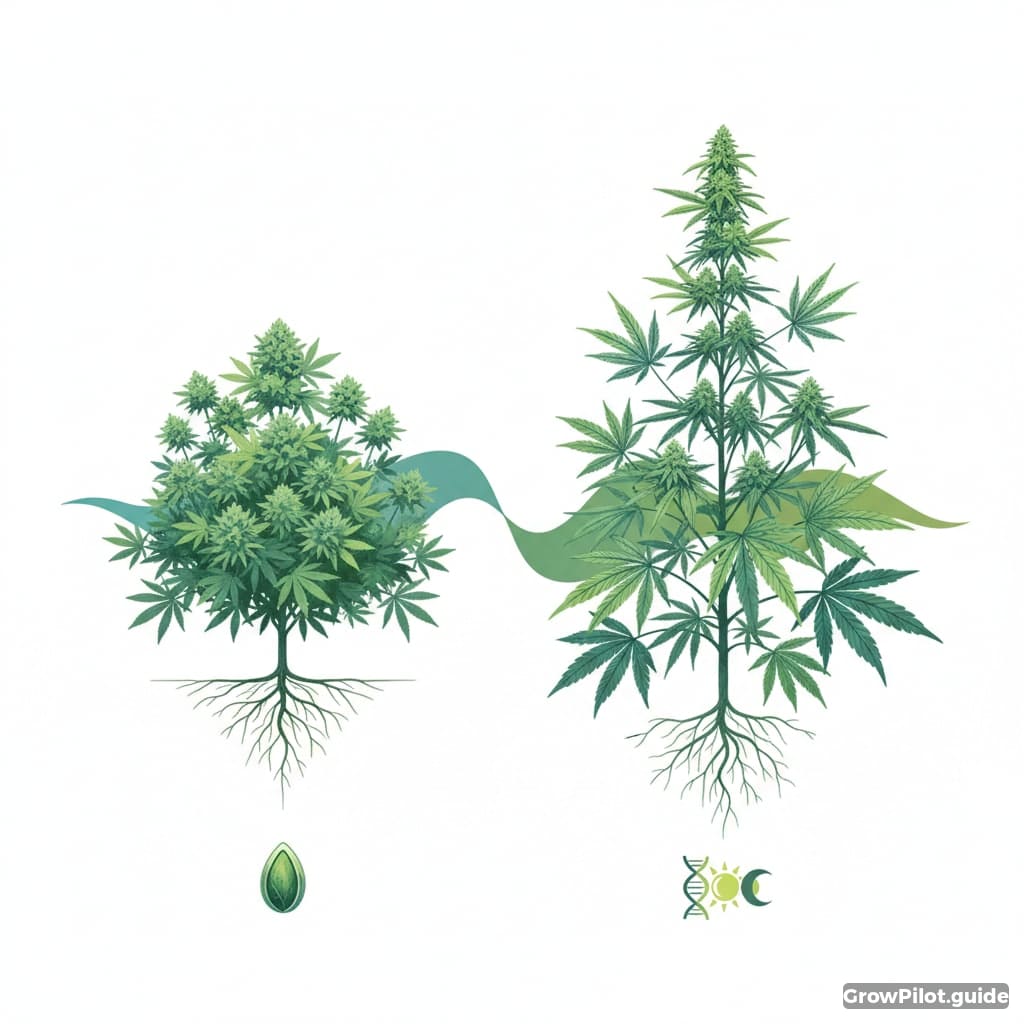
Critical is described in many reports as medium to large, heavily branched, and quite vigorous. During the vegetative stage, it often grows rapidly and, with sufficient light, develops a broad, productive structure. The stretch after switching to flowering is usually noticeable, but generally more manageable than in strains with a strong Haze influence. Many phenotypes roughly double their height or remain just below that; a few outliers may stretch more.
Typical characteristics include:
- robust main stem with several sturdy side shoots
- medium internode spacing, though it can be more compact depending on light intensity
- High flower yield in the second half of the flowering period
- Sometimes heavy, densely packed colas that require support
What flowering time and yields are realistic?
For photoperiodic Critical strains, many breeders and archives cite a flowering time of about 7 to 9 weeks. Often, the realistic window is around 8 weeks, though some phenotypes take a little longer to reach full maturity. Outdoors, in warm, dry climates, harvest is often described as occurring in early to mid-fall.
In terms of yield, Critical is among the strains with a reputation for being clearly yield-oriented. Nevertheless, marketing claims should be taken with a grain of salt. Realistic ranges from grow reports are often:
- Indoors: about 450 to 650 g/m², depending on lighting, climate, pot size, and cultivation methods
- Outdoors: often 600 to over 1,000 g per plant with a long growing season, ample root space, and stable weather
How does Critical smell and taste?
Critical’s aroma profile is usually described as classic, robust, and not overly playful. Unlike modern “candy” strains, it often doesn’t rely on candy-like sweetness, but rather on a mix of skunk, earth, spice, wood, herbs, and, in some cases, citrus or honey notes. Depending on the strain, the sweetness may be more pronounced or recede almost entirely into the background.
When it comes to the terpene profile, breeders and lab reports often mention terpenes such as:
- Myrcene, often associated with earthy, musky, and herbal notes
- Caryophyllene, which can contribute spicy, peppery accents
- Limonene, which provides brighter citrus notes in some phenotypes
- Sometimes humulene or pinene in smaller amounts
What effects do growers and users describe?
In user reports, Critical is usually described as a balanced to physically relaxing hybrid. Many describe a combination of mental calm, mild euphoria, and a noticeable physical heaviness, though not every strain is necessarily strongly sedating. Phenotypes with a slightly lighter terpene profile are sometimes perceived as more clear-headed and sociable; denser, Afghani-dominant variants tend to be seen as heavier and more suited for the evening.
It’s important to note: Such descriptions of effects are based on user reports and strain profiles, not on standardized clinical comparisons of effects. The perceived effect and intensity can vary significantly depending on chemotype, dose, method of consumption, and individual sensitivity.
Who is Critical suitable for as a grow?
Critical is often considered beginner-friendly to intermediate in difficulty. This may sound contradictory at first, but it makes sense: The plant usually grows vigorously and is more forgiving of minor mistakes than sensitive elite strains. At the same time, its dense flowering can cause problems that beginners tend to underestimate.
Critical is well-suited for growers who:
- are looking for solid yields rather than the most exotic strains
- prefer robust, predictable hybrid growth
- want to use training and pruning in moderation
- keep an eye on humidity and support
Why is mold a major concern with Critical?
Critical’s most common weakness isn’t the start, but the finish. Dense, heavy buds look impressive but are microclimatically delicate. When moisture accumulates in the colas, the risk of Botrytis and other bud rot increases. Many grow reports describe this as the decisive factor that determines success or a loss of quality.
You should be especially vigilant in the following situations:
- high humidity during late flowering
- overly dense foliage without air channels
- large temperature differences between day and night
- outdoor locations with dew, fog, or late-evening rain
What growing tips work best for Critical?
Climate and Environment
Critical usually performs best in a stable, somewhat dry flowering climate. During the vegetative stage, it tolerates slightly higher humidity, but this should drop significantly during late flowering. Good air circulation is almost even more important than with more loosely flowering strains.Training
This strain often responds well to:- Topping during the vegetative phase
- LST for a more even canopy
- Moderate thinning to allow light and air to reach the center
- Support nets or stakes for heavy terminal buds
Nutrition
Critical is often described as a heavy feeder, but it’s not a strain that should be over-fertilized blindly. Common mistakes include:- too much nitrogen in early flowering
- excessively high EC levels in the hope of maximizing yields
- taking too long to correct salt buildup or tip burn
Harvest Window
Because Critical builds mass quickly, it’s worth taking a close look at trichome maturity, the interior of the buds, and air circulation. Waiting too long in a humid environment increases the risk that the final percentage of maturity will come at the cost of quality.Conclusion: Why Does Critical Remain Relevant?
Critical isn’t a hype strain, but a workhorse strain with clear logic: rapid flowering, vigorous growth, abundant bud mass, and a classic Skunk-Afghani profile. That’s exactly why it remains popular to this day. Its main advantage isn’t a spectacular myth, but reliability in the right setup. Those who have climate, airflow, and support under control will often end up with a productive, aromatically robust, and easy-to-manage hybrid strain. On the other hand, those who underestimate dense colas in a humid environment risk the greatest losses, especially in the final stages.