Blueberry: Genetics, Compact Growth, and Its Berry-Like Profile
Blueberry is one of the defining classic fruit strains in cannabis breeding. This article provides a factual explanation of its origin, growth, flowering, terpenes, effects, and key growing considerations.
# Blueberry: Genetics, Compact Growth, and Its Berry-Like Profile
Blueberry is one of the strains that helped shape the reputation of fruit-forward cannabis genetics early on. Long before dessert, candy, and juice profiles dominated the market, Blueberry was already described in strain archives, breeder catalogs, and grow reports as having a clearly recognizable aroma profile: sweet, berry-like, sometimes slightly earthy, and often with floral or spicy undertones. For growers, the strain isn’t just interesting for its aroma. In many lines, it’s also considered fairly compact, resinous, and easy to manage with proper environmental control.
At the same time, Blueberry is not a completely rigid term. As with many older classics, there are now various conservation efforts, backcrosses, and breeder-specific interpretations. Anyone growing Blueberry should therefore distinguish between the historically known core of the strain and modern seed versions. The resilient core is nevertheless easily recognizable: a fruit-forward, mostly indica-dominant hybrid line with a short to medium structure, moderate stretch, and a certain tendency toward colorful traits under suitable environmental conditions.
Where does Blueberry actually come from?
The historical classification of Blueberry is relatively well documented. In breeder archives and later industry retrospectives, the strain is usually associated with the breeding work of DJ Short. Afghani, Thai, and Purple Thai lines are generally cited as its genetic foundation. It is precisely this combination that explains part of its typical profile: Afghani influence often results in a more compact structure, denser buds, and a faster flowering time, while the Thai lineage tends to contribute aromatic complexity, slightly longer internodes, and more vibrant top notes.
Blueberry has been selectively bred over many years and is therefore considered not merely a spontaneous cross but the result of deliberate stabilization. Nevertheless, seed bank descriptions and grow reports show that not every Blueberry line is identical. Some versions are significantly stockier and darker, while others exhibit more stretching or a more open flowering structure. In practice, this means that the name provides a general guide but does not replace checking the specific breeder’s details.
What Is Considered a Core Set of Traits
Across various sources, the following points are particularly frequently mentioned:
- Indica-dominant to balanced hybrid character
- Compact to medium-sized growth
- Moderate stretch after transitioning to flowering
- Fruity-sweet, berry-like flavor profile
- Dense, resinous buds
- Sometimes purple or blue hues with suitable genetics and environmental conditions
How does Blueberry grow in everyday cultivation?
Internationally, Blueberry is usually described as a medium-sized, rather bushy strain. Indoors, it often remains easy to manage, especially if care is taken early on to ensure an even canopy structure. Many plants develop vigorous side shoots and relatively broad leaves, which fits well with its indica-dominant background. Compared to lines with strong Haze influence, the stretch is usually moderate, but not entirely negligible.
A typical growth pattern benefits from early pruning and good airflow. Because many Blueberry strains produce compact flowers and dense foliage, standing moisture inside the plant can become a problem. This is especially true during late flowering stages or in outdoor and greenhouse environments with cool nights and high humidity.
Indoor, Outdoor, and Greenhouse
- Indoor: well-suited when height is limited and the climate can be precisely controlled
- Outdoor: more suitable for dry, sunny late stages; in humid regions, the risk of flowering problems increases
- Greenhouse: a good choice when air exchange and humidity management are actively controlled
Typical Size
Depending on the strain, pot size, vegetative period, and training methods, Blueberry often remains small to medium in size. Indoors, many phenotypes can be trained well into flat, wide canopies. Outdoors, it can grow significantly larger but usually remains more compact than many sativa-dominant classics.
What flowering time and yield can you realistically expect?
For photoperiodic Blueberry strains, breeders and grow reports often cite a flowering time of about 8 to 10 weeks. Faster phenotypes can mature earlier under good conditions, while those with stronger Thai characteristics take a bit longer. Therefore, when planning the harvest, it’s not just the calendar week that matters, but also the actual maturity of the trichomes and the flower structure.
In terms of yield, Blueberry usually performs solidly but rarely stands out as an extreme high-yield strain. Realistic reports often fall within the mid-range. Indoors, with good space utilization, yields of approximately 350 to 500 g/m² are often plausible, while outdoors the range depends heavily on climate, growing season length, and phenotype. As with other strains, you should view very high manufacturer claims with a critical eye, as they are often only achievable under optimal conditions.
Why does Blueberry have such a distinctively fruity aroma?
The typical aroma profile is often described in reports as blueberry, wild berry, sweet fruit, floral, earthy, and slightly spicy. Chemically, this perception isn’t caused by a single compound, but by the interplay of several volatile plant compounds. In cannabis analyses of fruit-forward strains, terpenes such as myrcene, caryophyllene, pinene, and sometimes limonene frequently appear. However, which compound dominates depends heavily on the phenotype and post-harvest handling.
It’s important to note: The name “Blueberry” doesn’t automatically mean that every plant smells intensely of fresh berries. Some phenotypes have a more earthy-sweet aroma, while others are distinctly fruiter and lighter. Drying and curing also influence whether the profile comes across as open, muted, or complex.
What the Terpene Profile Means in Practice
- Myrcene is often associated with sweet, earthy, and fruity notes
- Caryophyllene can add a spicy, peppery depth
- Pinene can make the profile seem fresher and clearer
- Limonene can contribute citrusy brightness, though it isn’t always the dominant note in Blueberry
How Do Growers and Users Describe the Effects?
In user reports, Blueberry is frequently described as calm, relaxing, physically soothing, and mood-lifting, sometimes with a gentle mental clarity at the onset. This characterization aligns with its reputation as a classic, Indica-dominant strain, though it isn’t identical across every phenotype. The perceived effects depend, among other factors, on chemotype, dosage, individual tolerance, and method of consumption.
One particularly consistent observation is that Blueberry is often not described as a hectic, highly stimulating strain, but rather as a balanced to calming hybrid. This is a description of its typical use, not a medical claim regarding its effects.
Who is Blueberry suitable for when growing?
Blueberry is generally considered suitable for beginners with some care, but it is not entirely foolproof. Its growth is often more manageable than that of highly stretching Haze strains, yet the strain requires attention to climate, foliage management, and harvest timing. Growers aiming for very dense buds must actively prevent moisture-related issues.
Difficulty Level
- Beginners: possible if climate and watering are managed properly
- Advanced growers: well-suited for specifically enhancing aroma and structure
- Experts: interesting for phenotype selection and a focus on quality rather than maximum yield
What growing tips are particularly important for Blueberry?
1. Consistently control humidity
Blueberry benefits particularly during late flowering from stable, moderate humidity. Otherwise, dense buds and tight foliage increase the risk of mold and botrytis.2. Avoid over-fertilizing
Many grow reports describe Blueberry as a strain that can be rather sensitive to excessive nitrogen application or an overall high salt load. A moderate, observant fertilization schedule is often more sensible than aggressive pushing.3. Early training pays off
Using LST, topping, or carefully shaping the side shoots can effectively open up the typically bushy structure. This improves light distribution and airflow.4. Maintain Consistent Temperatures
Consistent temperatures are important for stable development. Excessive heat can impair terpene quality and flower structure. Cooler nights can enhance color nuances in suitable genetics, but they do not guarantee purple hues.5. Be patient during drying and curing
With Blueberry in particular, post-harvest care plays a major role in determining whether the aroma comes across as merely sweet or actually develops berry-like depth and complexity.Conclusion: What keeps Blueberry relevant to this day?
Blueberry isn’t just a hyped-up name—it’s a genetic fruit classic with a clearly recognizable profile. Its enduring influence stems less from extreme yields or growth rates than from a rare combination of compact structure, resinous flowering, and distinctive aromatics. Anyone looking for a strain with a more manageable structure, a medium flowering time, and a traditionally fruity character will find Blueberry to be a line that remains relevant today. As is so often the case, what matters is not just the name, but the specific conservation work behind the seeds in question.
Frequently asked questions about Blueberry
Where do Blueberry's genes come from?
Historically, Blueberry has mostly been associated with DJ Short’s breeding work. Afghani, Thai, and Purple Thai lines are generally cited as its genetic foundation, although modern Blueberry strains can still vary depending on the breeder.
How does Blueberry typically grow when grown indoors?
Blueberry is usually described as a medium-sized, somewhat bushy strain with a compact to medium growth habit. Indoors, it often remains easy to manage, typically exhibits moderate stretching, and benefits from early structuring and proper airflow.
How long does Blueberry usually bloom?
For photoperiod Blueberry strains, a flowering time of about 8 to 10 weeks is often cited. Faster-growing phenotypes may mature earlier, while those with stronger Thai characteristics may take a little longer.
Why does Blueberry smell so fruity?
The typical flavor profile is often described as blueberry, wild berry, sweet fruit, floral, earthy, and slightly spicy. According to the article, this perception arises from the interplay of several volatile plant compounds; in fruit-forward varieties, myrcene, caryophyllene, pinene, and, to some extent, limonene are frequently mentioned.
What should you pay special attention to when growing Blueberry?
Above all, consistent humidity control is important, because dense flowers and tightly packed foliage can increase the risk of mold and botrytis. Moderate fertilization, early training, consistent temperatures, and careful drying and curing are also emphasized.
Matching seeds from our partner
PARTNER OFFER
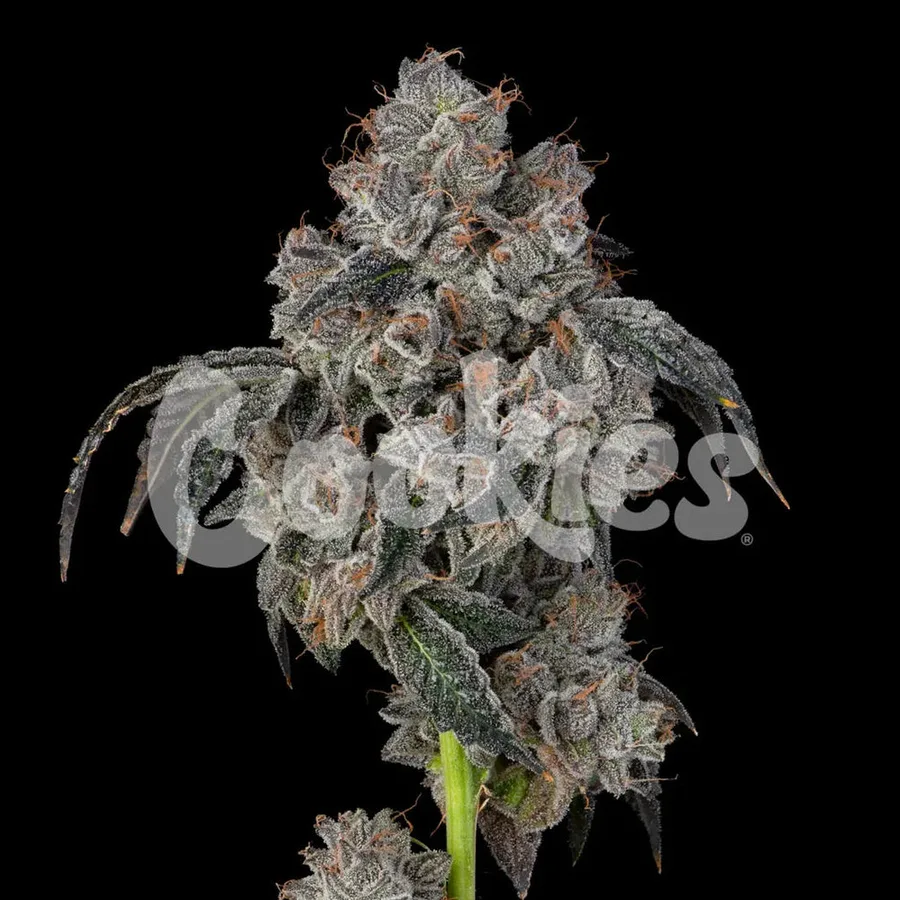
BLUEBERRY CHERRIES - Feminisierte Cannabis-Samen
Available from 10 % Vorteil bei CANA TRAVA – exklusiv für GrowPilot.guide Nutzer
Blueberry, Cherry. fem; 70/30 Indica/Sativa. 8–9 weeks flowering. Indoor: 350–400 g/m²; outdoor: 400–450 g/plant.
Product details and prices supplied by the partner.


